Team
Samantha
Duration
8 weeks
Duration
8 weeks
Kim’C Market
Overview
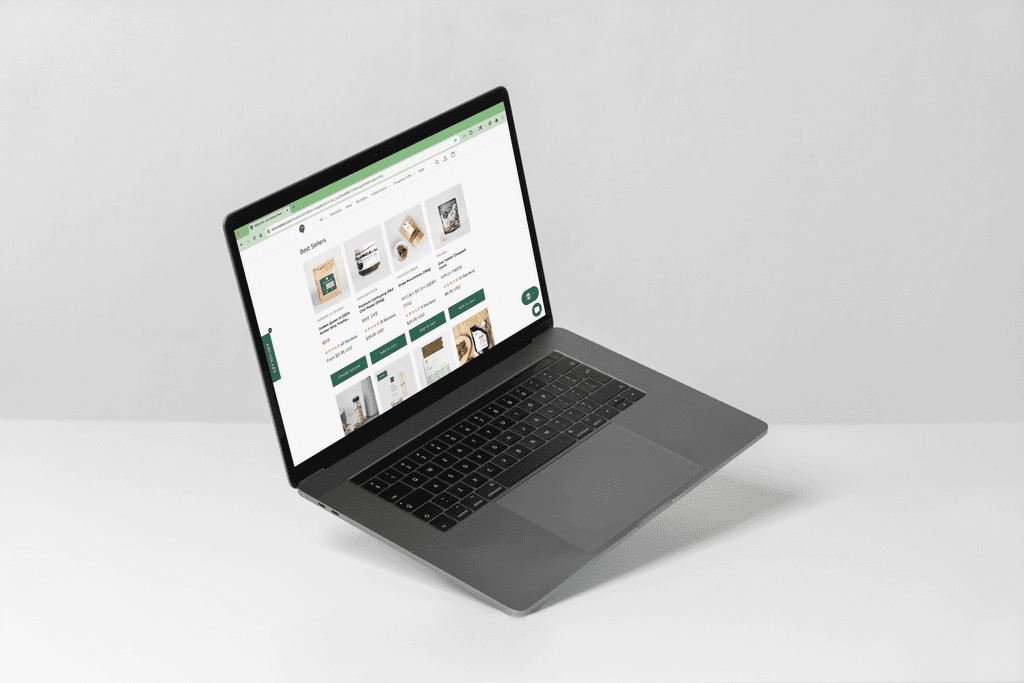
Kim’C Market is a live e-commerce grocery platform facing measurable UX performance challenges across its shopping experience. A 58.04% bounce rate and 1.76% conversion rate indicated friction from first impression through checkout, with limited visibility into long-term retention behavior.
The project focused on analyzing real user data and business constraints to identify 10 prioritized UX insights and actionable recommendations, aligned with established UX best practices and Google Material Design standards, to improve clarity, confidence, and conversion across the journey.
The project focused on analyzing real user data and business constraints to identify 10 prioritized UX insights and actionable recommendations, aligned with established UX best practices and Google Material Design standards, to improve clarity, confidence, and conversion across the journey.
Stakeholder
This project involved ongoing collaboration with stakeholders to align UX findings with business goals and technical feasibility. Insights were shared through regular check-ins, requiring clear communication, evidence-based recommendations, and thoughtful navigation of difficult conversations around usability issues.
Problem
⚡️ The Challenge: How might we reduce friction and improve conversion across the shopping journey?
High bounce rates suggested weak first impressions, while low conversion pointed to breakdowns during consideration and checkout. The lack of retention insights further emphasized the need for an end-to-end UX evaluation focused on reducing cognitive load, improving transparency, and supporting confident decision-making.
The project focused on analyzing real user data and business constraints to identify 10 prioritized UX insights and actionable recommendations, aligned with established UX best practices and Google Material Design standards, to improve clarity, confidence, and conversion across the journey.
Impact on Conversions (Before Redesign)
User conversion data that revealed friction points and informed the redesign strategy
Even with a trusted brand and quality products, Kim’C Market’s digital experience revealed pain points in the user journey. Elevated bounce rates, frequent cart abandonment, and underperforming mobile conversions highlighted usability barriers that hindered customer flow and limited growth potential.
Low Conversion Rate
0.00%
Cart Abandon Rate
0.0%
Bounce Rate
0.00%
Who were we solving for ?
Diary study- Understand the first-time and returning user experience
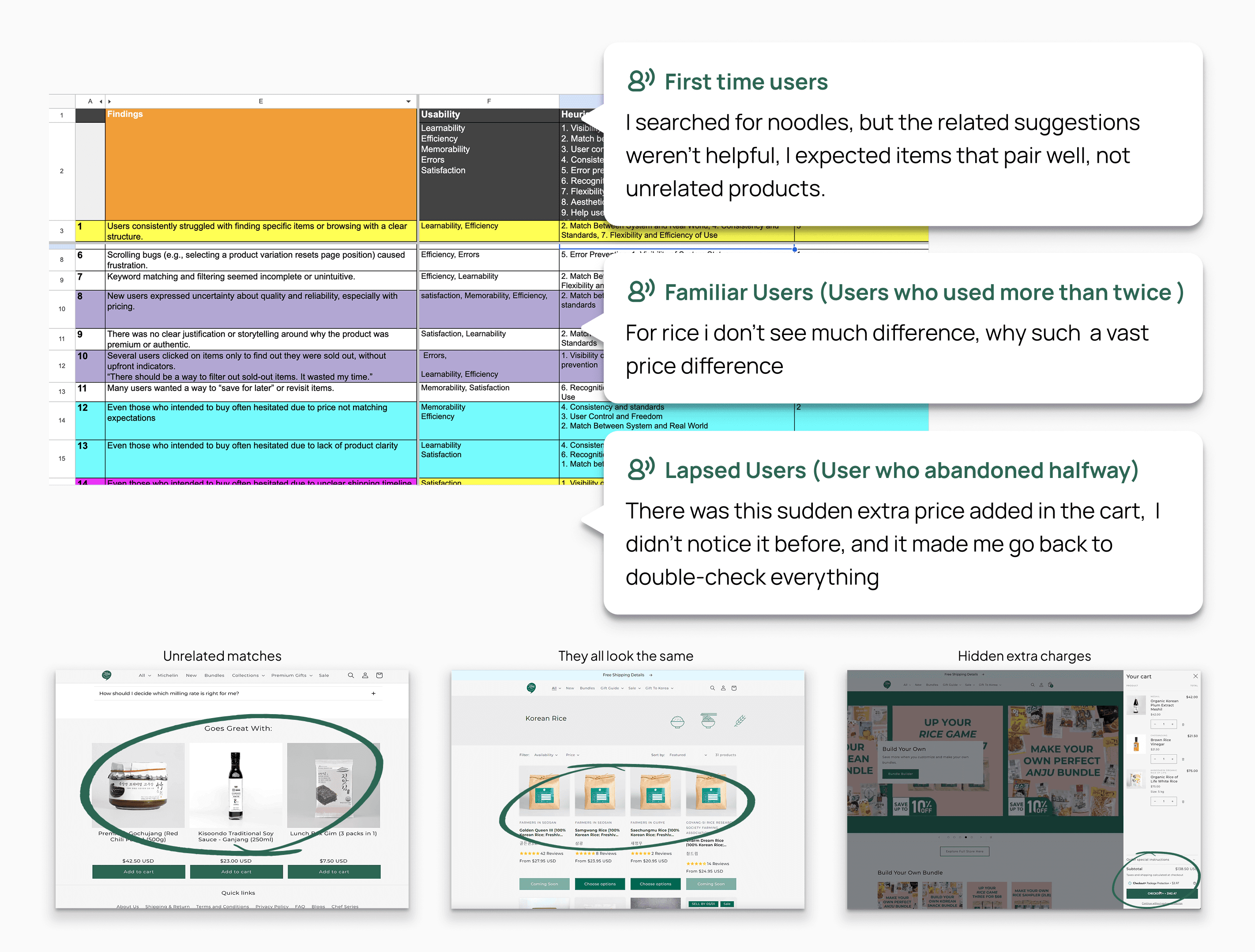
Through a cross-platform diary study, we observed how users naturally engaged with the product. Their notes on confusion, hesitation, and drop-offs helped us identify where experience gaps occur in real contexts.
How did we uncover where users were experiencing friction?
Eye Tracking Heatmap– Tracking eyes, tracing friction
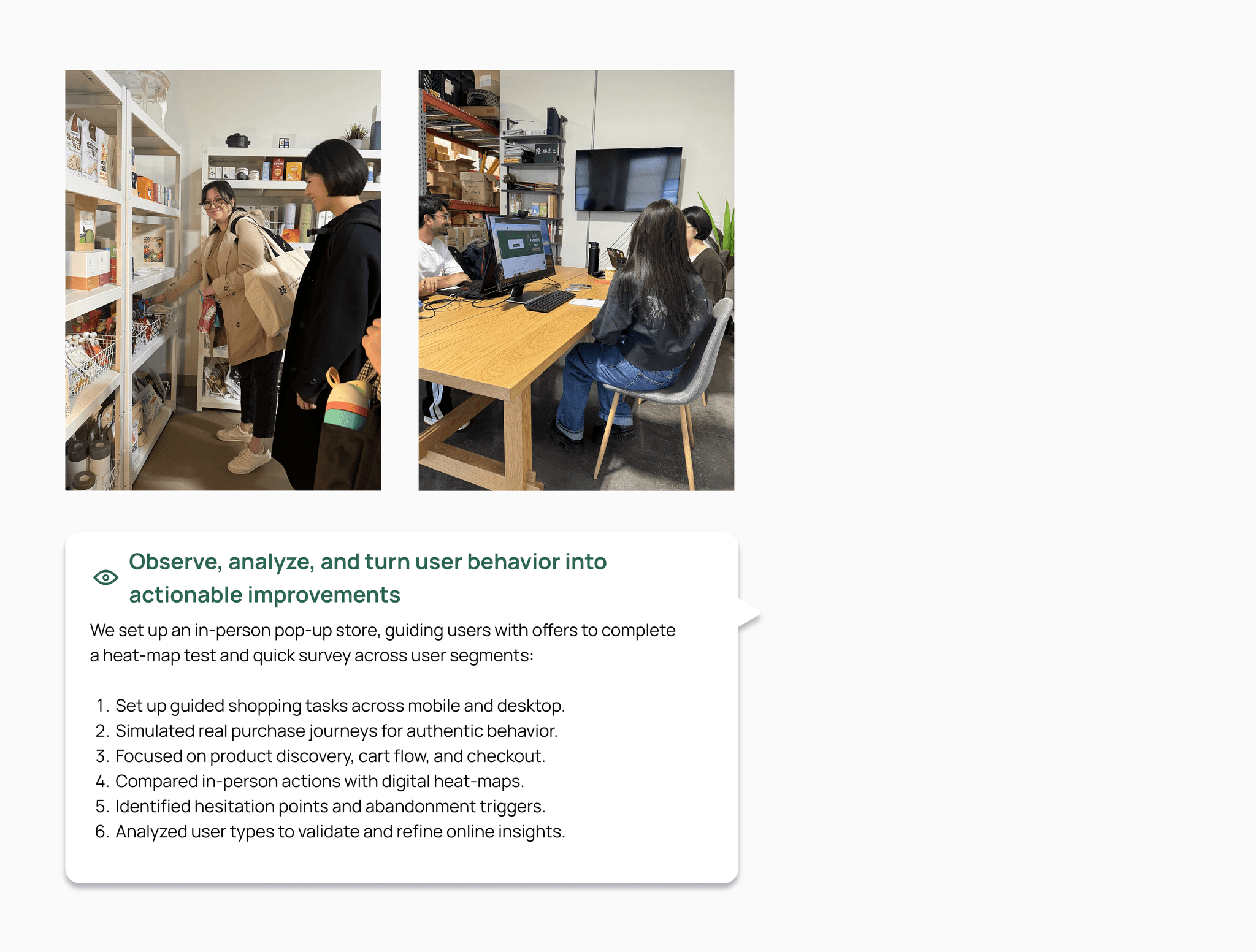
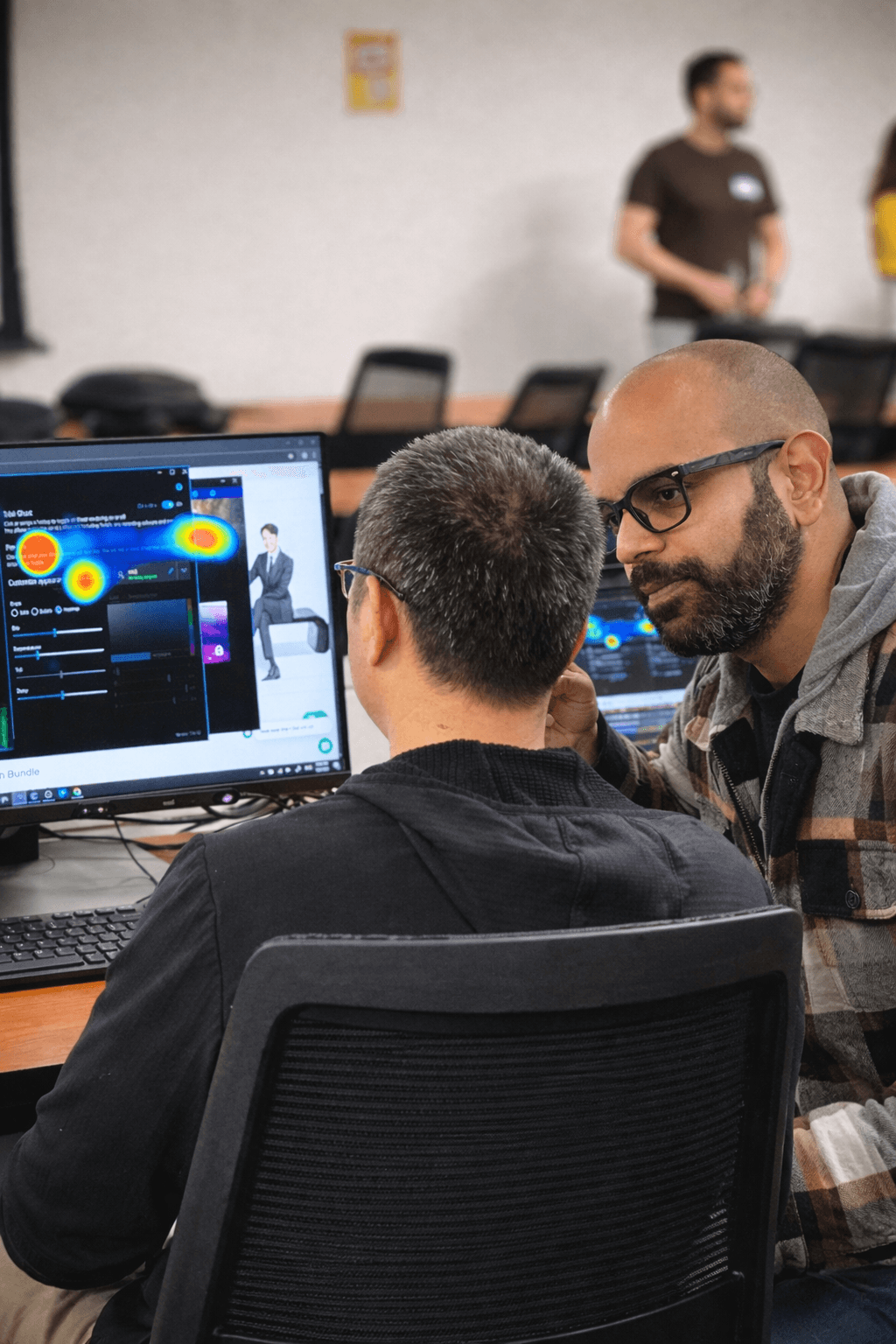
Usability sessions with 8 users combined eye-tracking (Tobii) and behavioral analytics (Clarity). Heatmaps showed hesitation around navigation, pricing, and product pages. Post-test interviews unpacked the “why” behind user drop-offs.

What’s preventing users from completing their purchase?
Where Users Drop Off: Identifying Barriers to Conversion
A breakdown of usability and trust issues impacting decision-making at each stage of the shopping journey

How did we decide what to design and why?
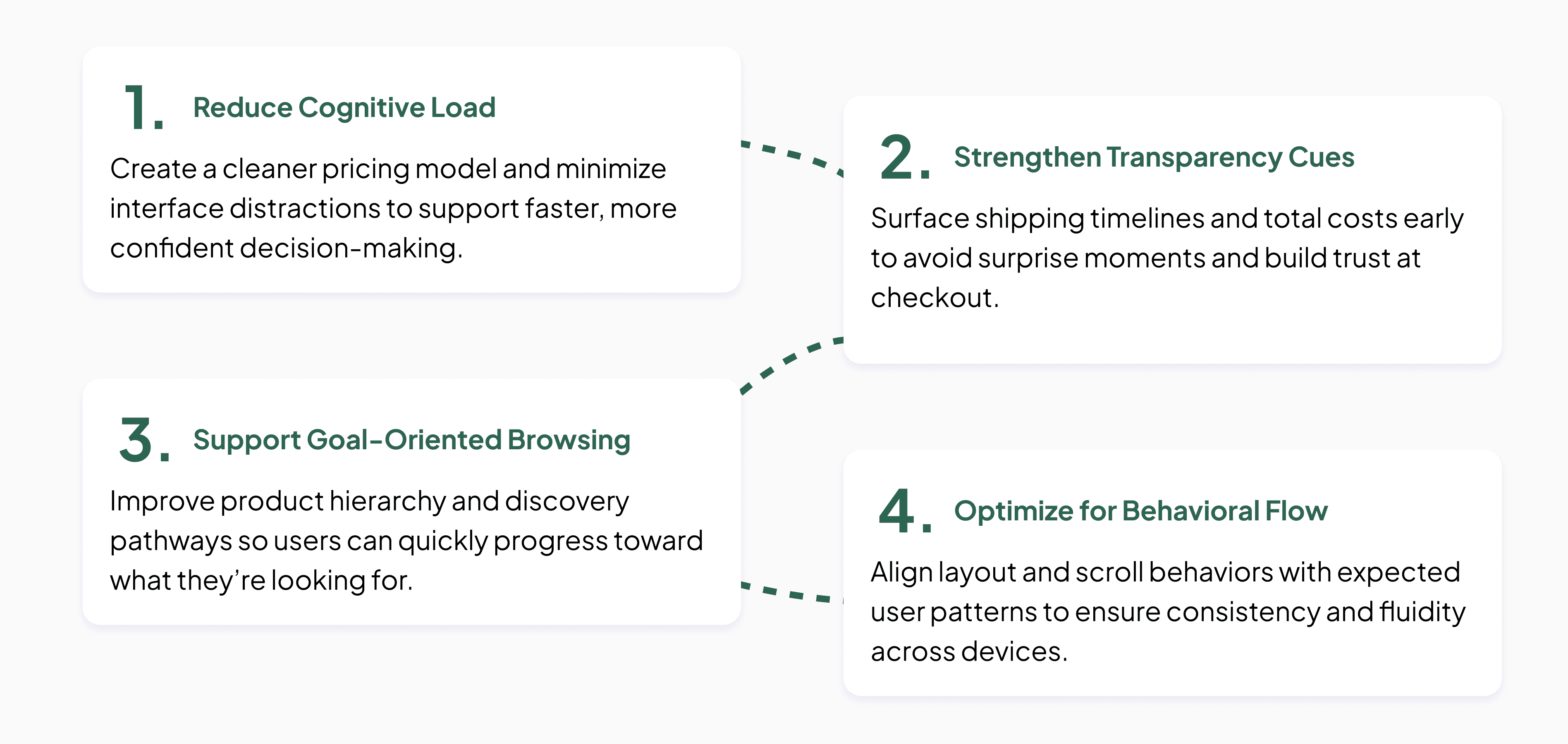
UX Principles Shaping a More Confident Grocery Shopping Experience
Defining the core design principles that informed layout, pricing clarity, and behavioral flow across the shopping journey
Solution
Making orders feels effortless
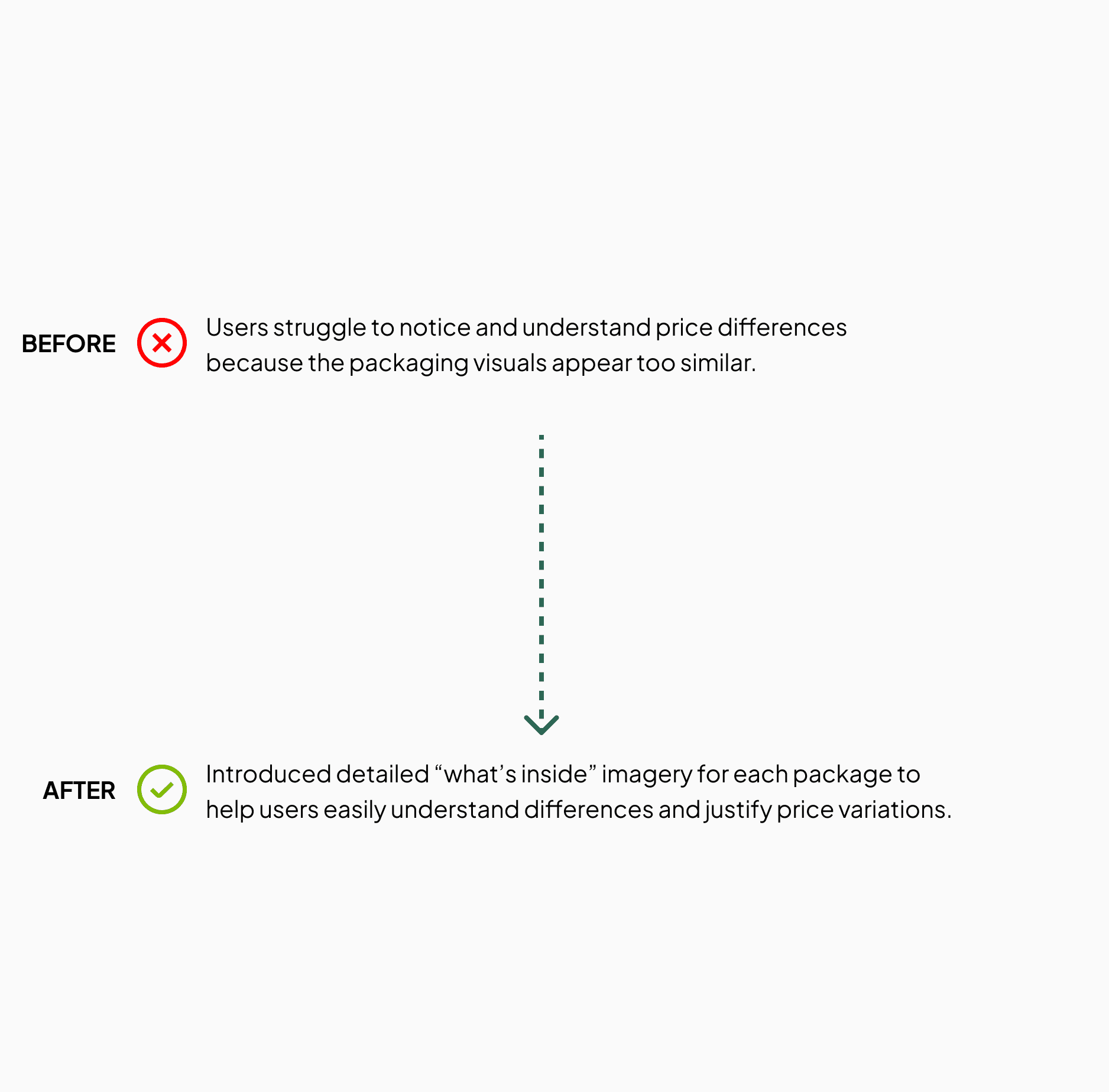
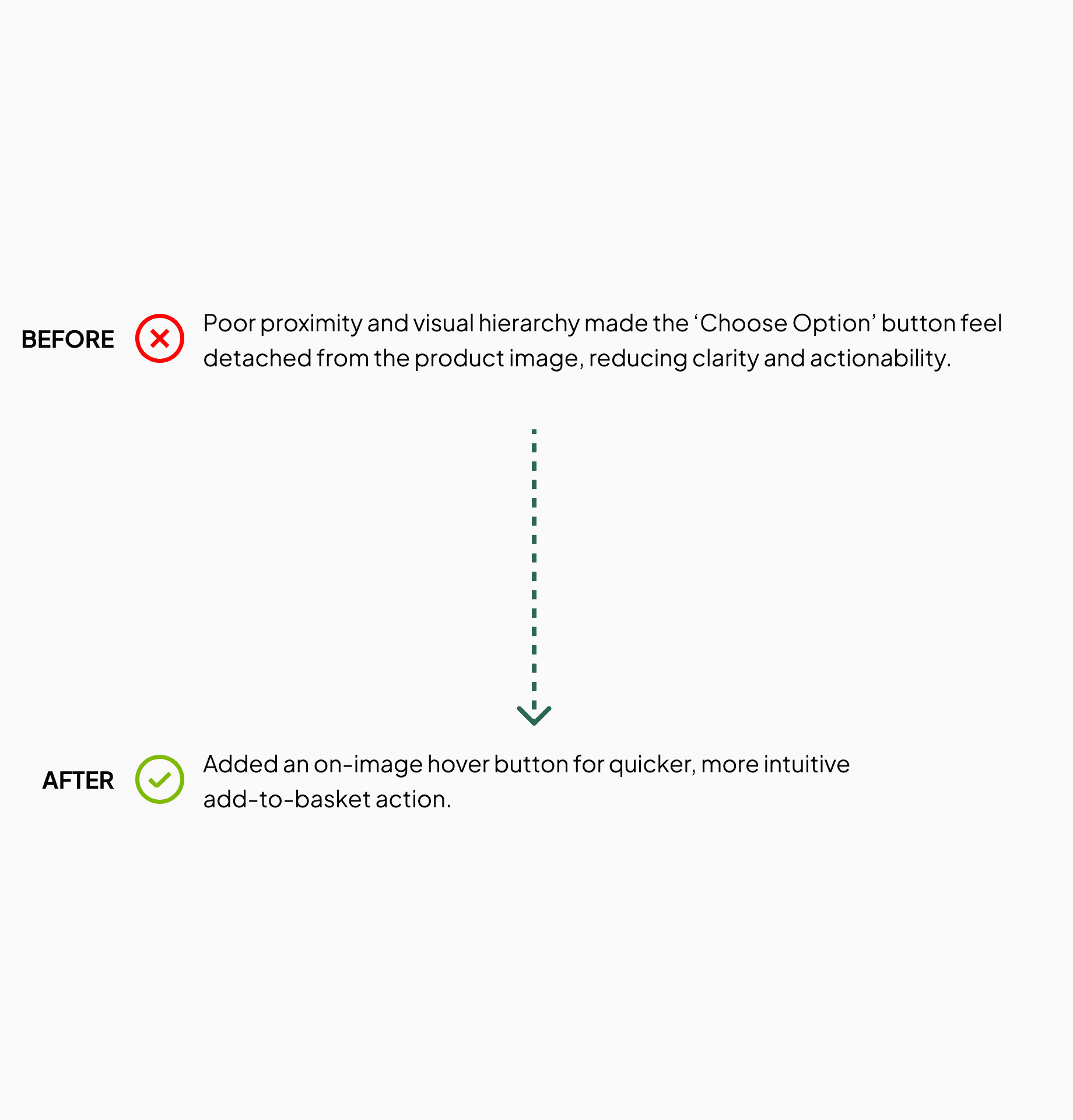
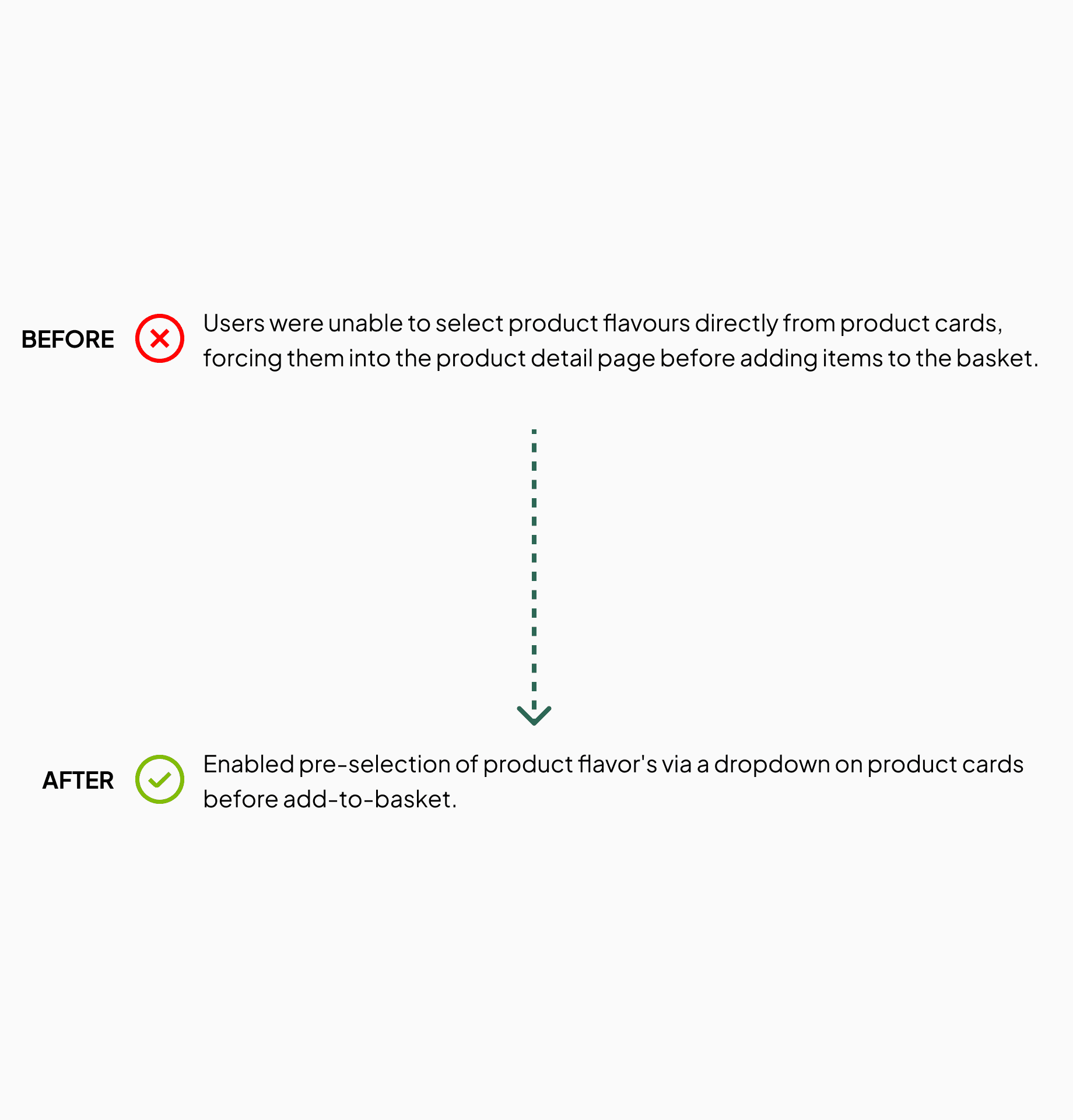
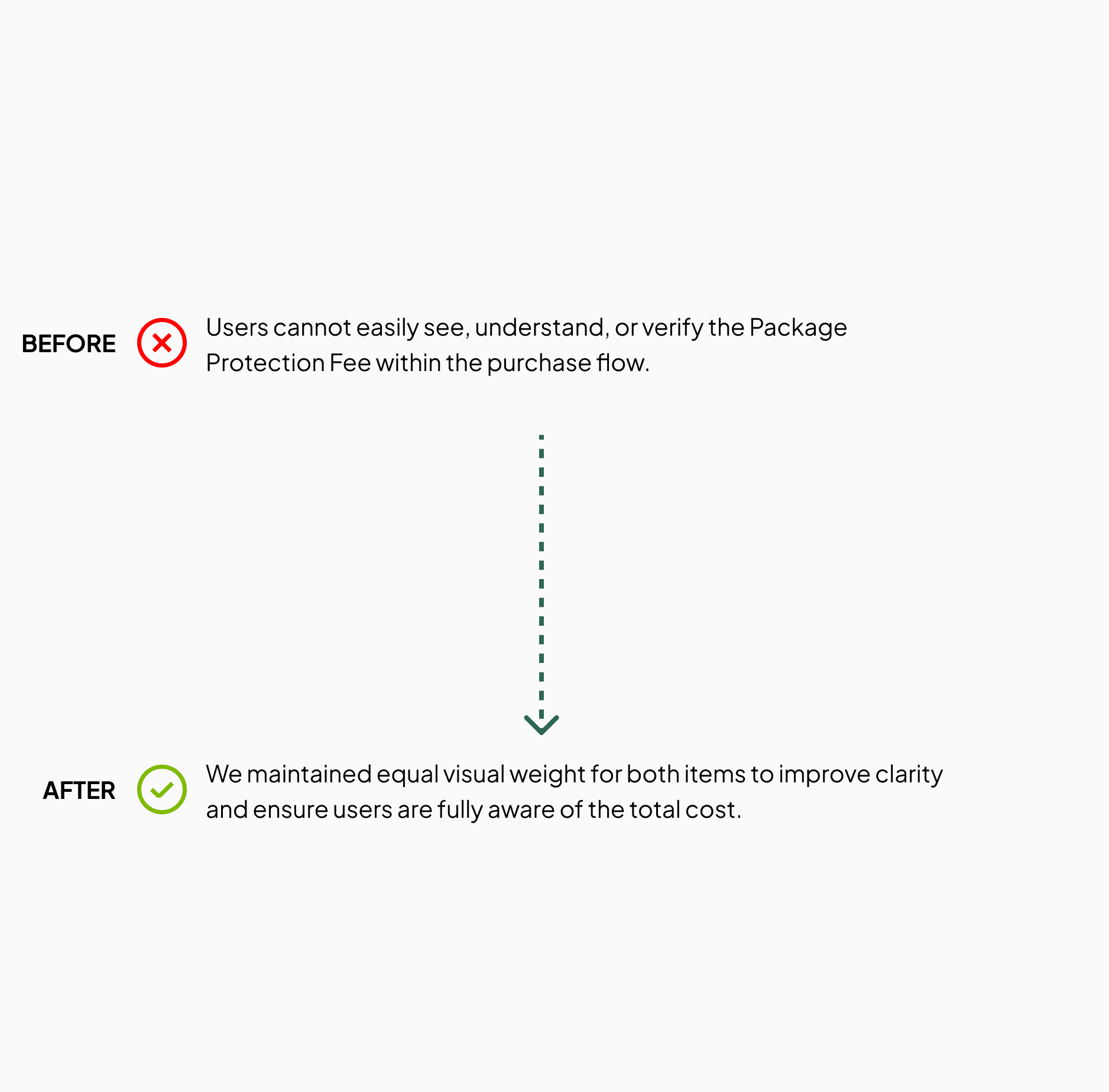
We proposed targeted design solutions that addressed the most critical usability challenges. From product discovery to pricing clarity, each change aimed to reduce friction, improve trust, and enhance the overall shopping experience.
Where it landed
We presented at NYC
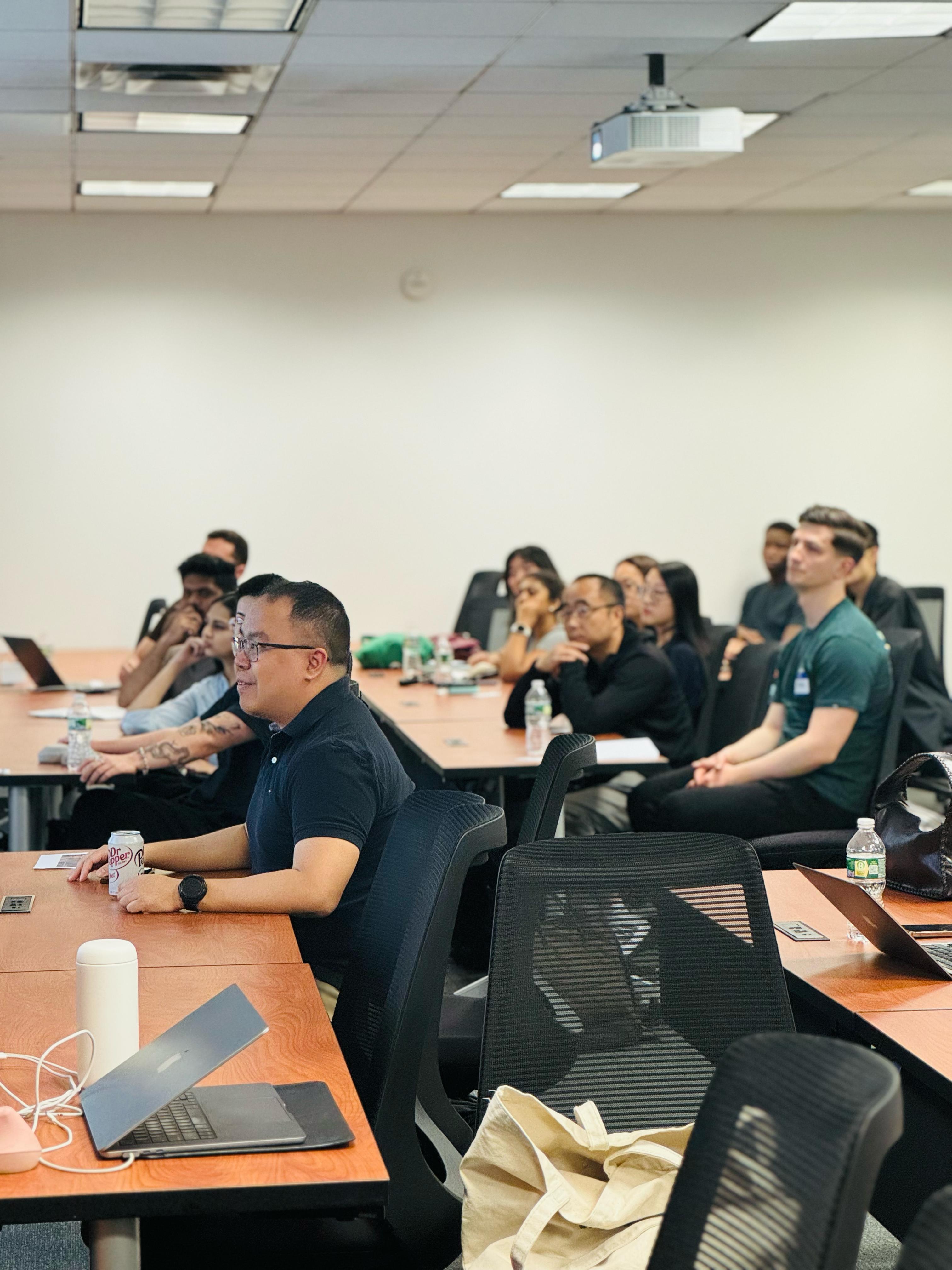
I had an amazing opportunity to present the case study at a workshop hosted by NYC User Experience & Digital Product Designers. We hosted a demo session alongside the presentation, allowing participants to try the eye-tracking heatmap and Microsoft Clarity.
Where it landed